Angler on a remote river during a fly fishing expedition in Chilean Patagonia
Aysén Region · Chilean Patagonia

Fly Fishing in Patagonia

Wild brown and rainbow trout on spring creeks and freestone rivers, out of a fixed base in Coyhaique. No stocked fish, no crowded beats, two anglers at a time.

What fly fishing in Patagonia actually means

Patagonia is not one place. It spans two countries and roughly a thousand kilometres of mountains, and the fishing changes completely depending on where you stand in it. We operate on the Chilean side, in the Aysén Region, out of Coyhaique — far enough south that the rivers stay cold and quiet, close enough to an airport that you are fishing the day after you land.

The trout here are wild and self-sustaining. Brown and rainbow, introduced more than a century ago and left alone since. Nothing is stocked. That is the reason the fish behave the way they do: a brown in a Patagonian spring creek has been eating real insects its whole life, and it will refuse a bad drift without hesitation.

Our season runs October 12 - April 30, and we take a maximum of two anglers per date. That is not scarcity marketing — it is the number that lets a guide actually watch your drift and change what is not working.
The three waters you will fish

Most trips move between all three across a week. Which one you fish on a given day depends on wind, water level and what the fish are doing — not on a fixed itinerary printed months in advance.

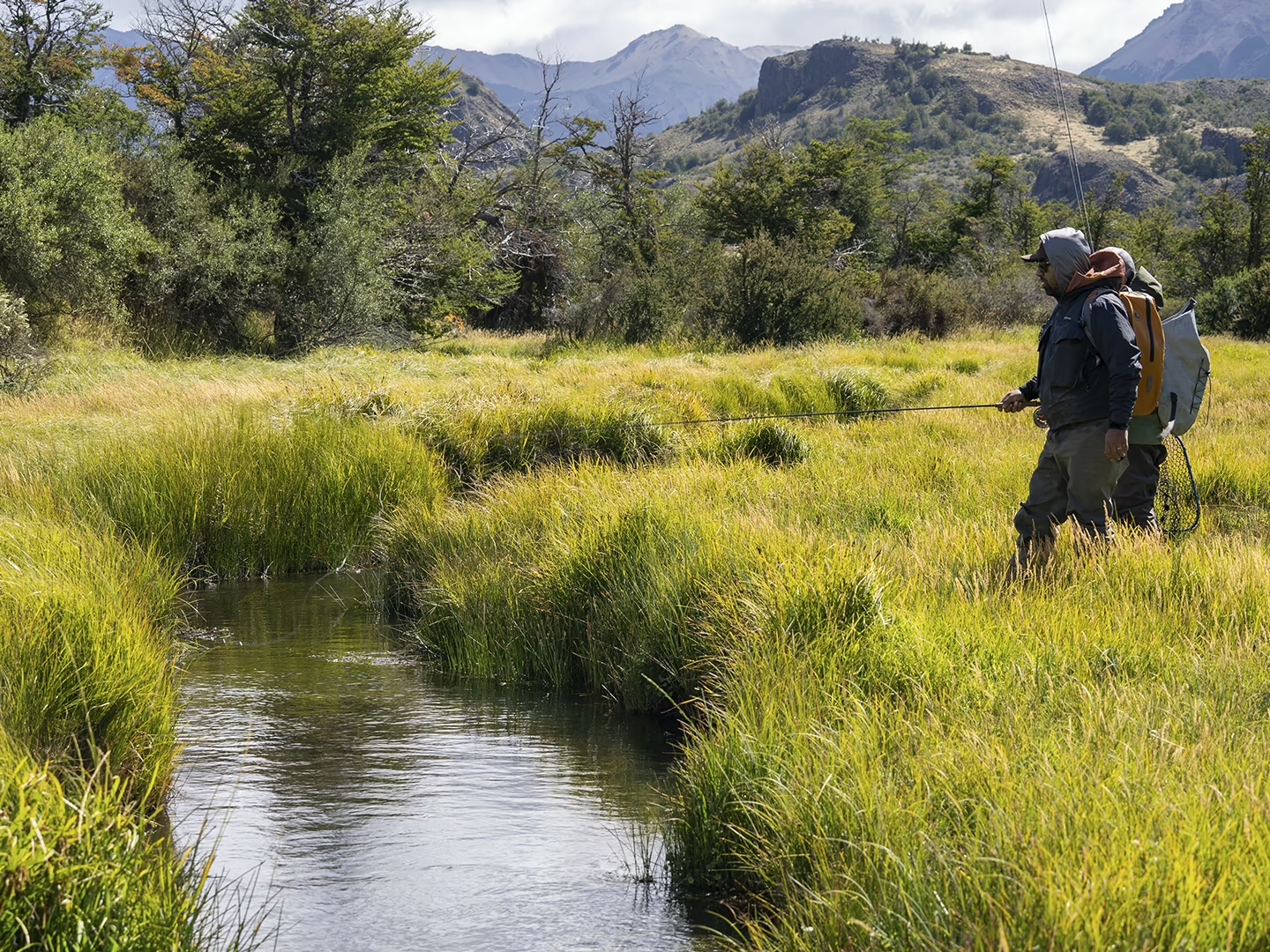
Two anglers sight fishing a clear spring creek in Chilean Patagonia

Spring creeks

Clear, slow and unforgiving. The fish see you before you see them, so it is sight fishing with long light leaders and short accurate casts. This is where the Ñirehuao earned its reputation, and where a bad first presentation ends the opportunity.

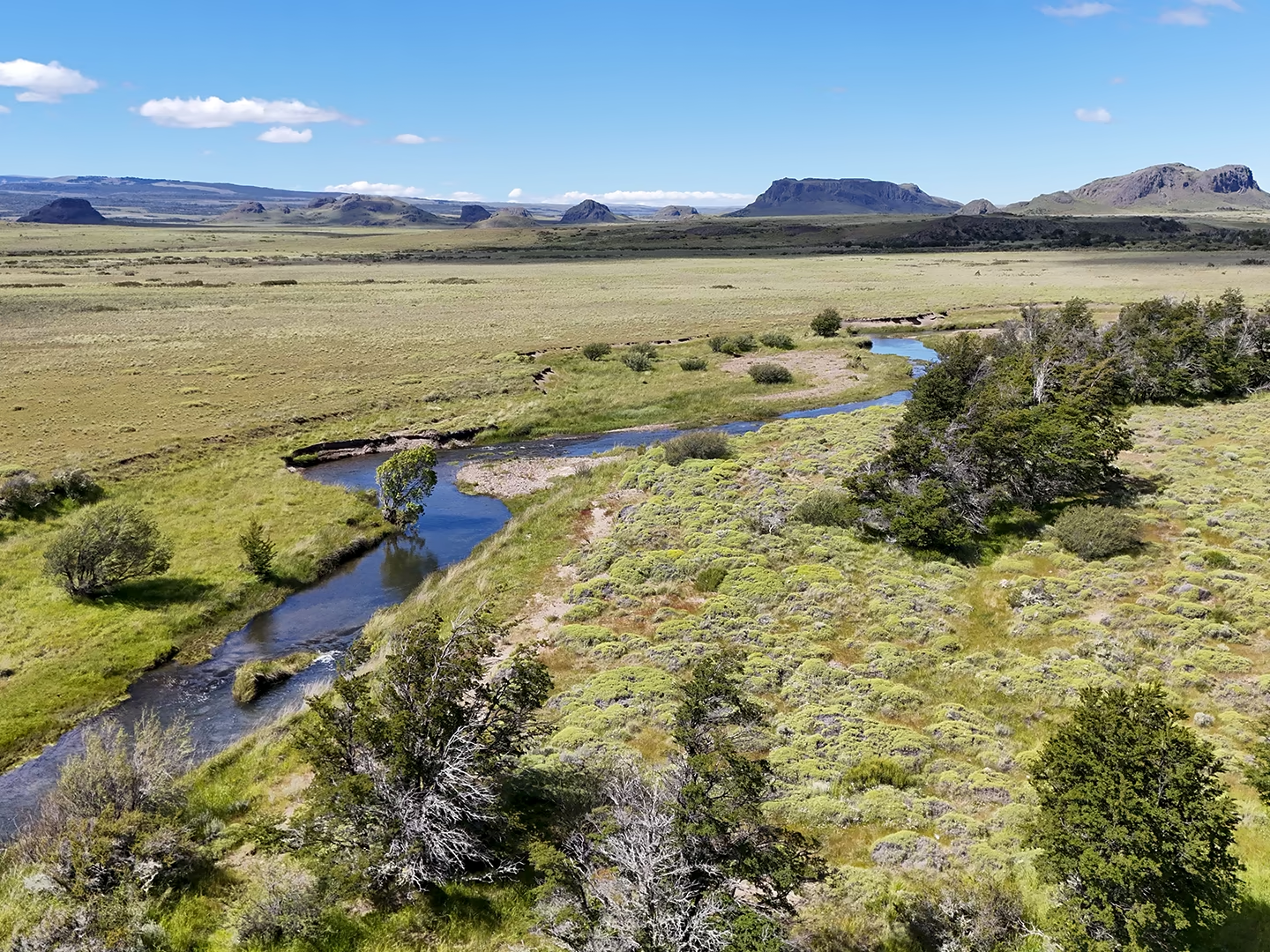
The Ñirehuao river running through the Aysén region of Chilean Patagonia

Freestone rivers

The Simpson, the Paloma and the Ñirehuao run fast and structured. Big rainbows hold tight to the banks and to structure, and the productive approach is heavy streamers on sinking lines, especially when the water is up early in the season.

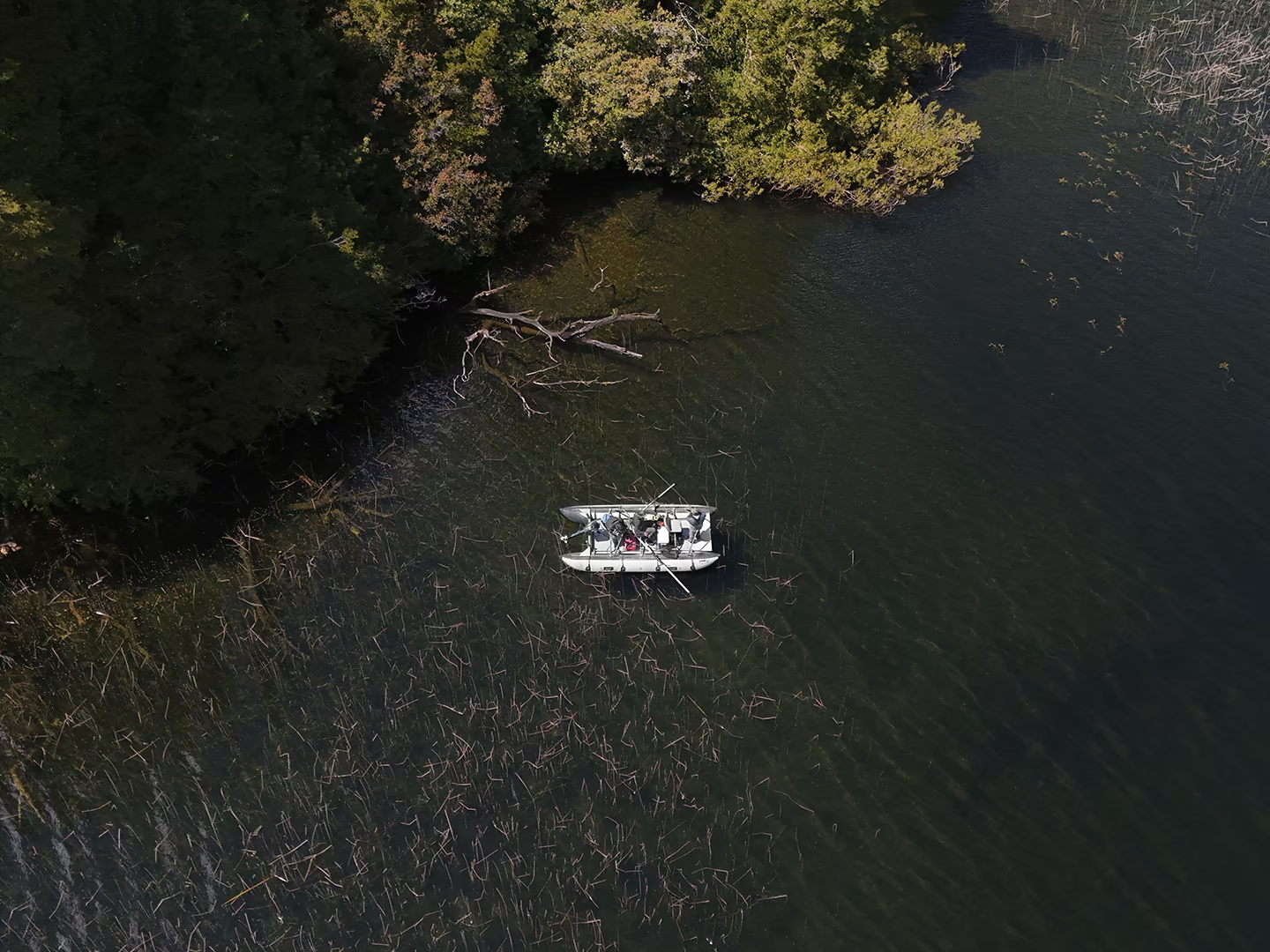
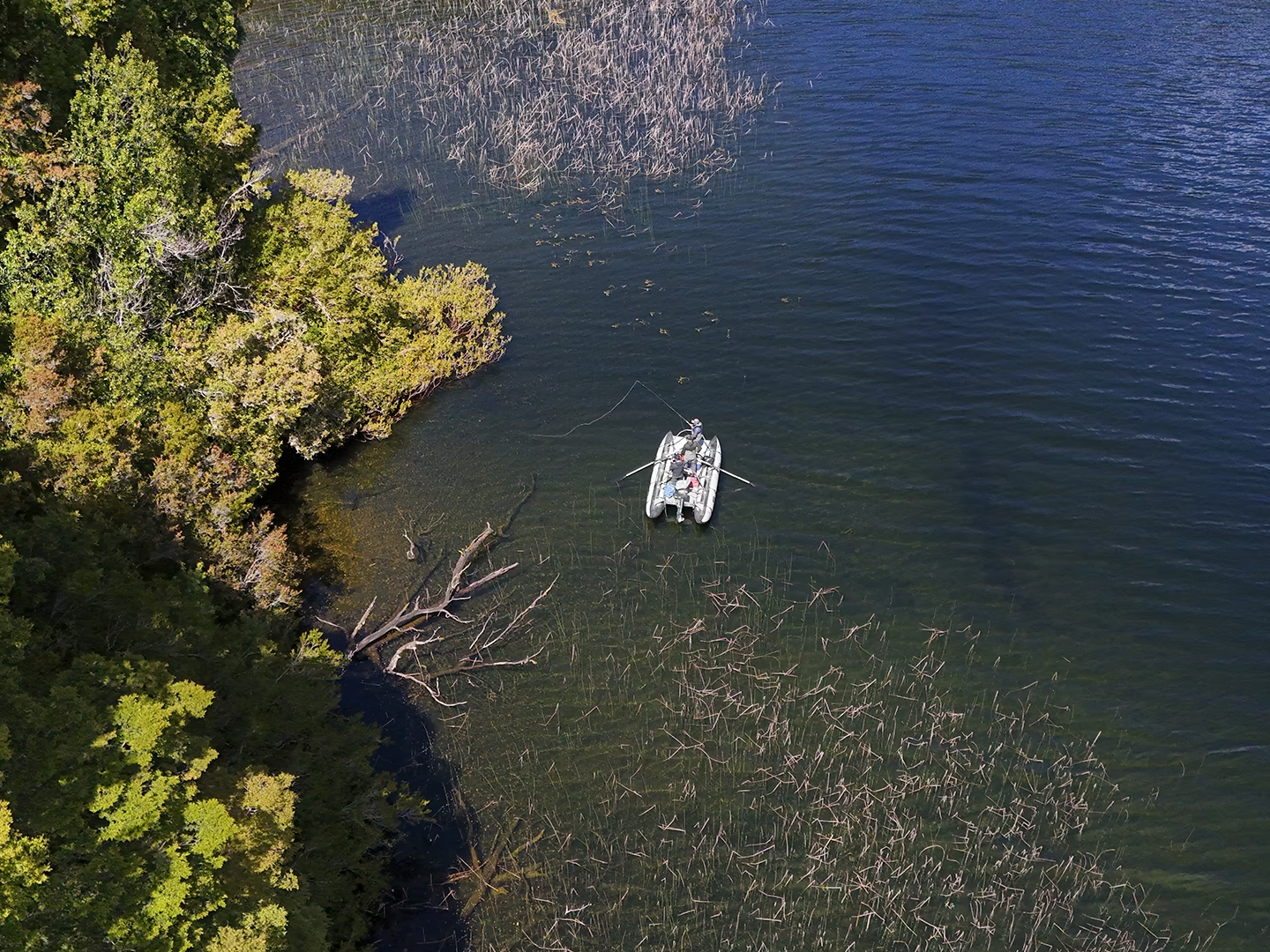
Cataraft dry fly fishing on Lake Zenteno in Patagonia

Lakes and lagoons

Fished from catarafts, which get you onto water that has no road to it. Dry fly action on the surface in the calm hours, and deep streamer work the rest of the day. Lake Zenteno and Lago Brown are the ones we return to.

Chilean or Argentine Patagonia?

It is the first thing worth settling, because half the results for this search are on the other side of the border. Both hold excellent trout, and anyone who tells you otherwise is selling something.

The honest difference is pressure. Argentine Patagonia has the more famous rivers, and fame brings boats. The Aysén Region is harder to reach — that is precisely what keeps it quiet. On most of our days you will not see another angler on the beat.

If you want well-known water and simple logistics, Argentina is a good answer. If the point of coming this far is to fish alone, the Chilean side is the reason to make the trip.

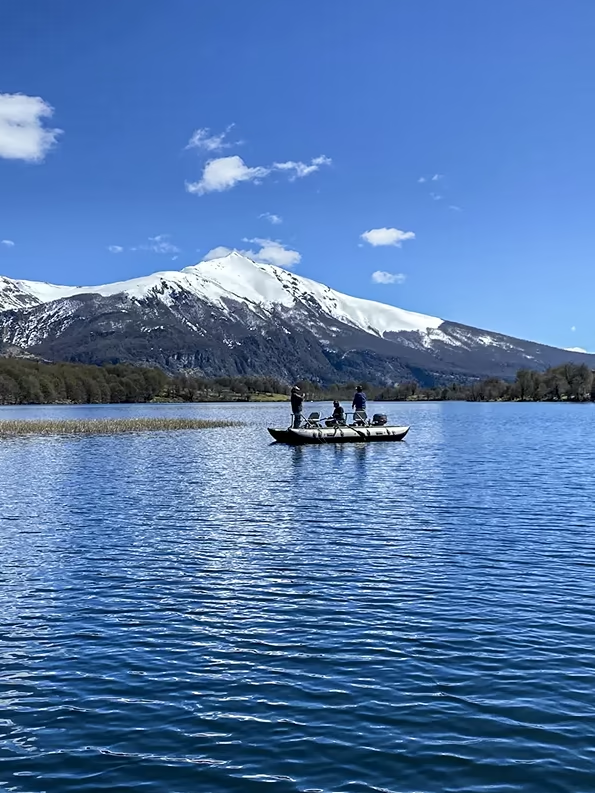
Lake and Andes mountains in the Aysén region of Chilean Patagonia

When to come

The legal season in Chilean Patagonia closes the first week of May. Our guided operation runs through April 30. There is no single best month: each window fishes differently, and the right one depends on how you like to fish.

October to mid November

Big rainbows, high water

Post-winter trout feeding hard against the banks. Heavy streamers and sinking lines. The fish have not seen a fly in six months.

January and February

Dry fly and sight fishing

Terrestrial season. Hoppers and beetles falling off the banks, violent surface takes, and technical spring creeks that reward stealth.

March and April

Migratory brown trout

Large browns moving up to spawn. Cooler afternoons, the wind drops, and mayfly hatches take over the quiet hours.

A month-by-month breakdown, with hatches and water conditions, is on the fishing season page.

What it costs

Published, not quoted on request. Prices are per angler in US dollars for the 2026–2027 season.

All Inclusive Expedition

USD 6,500

Seven nights, six full days of guided fishing. Saturday to Saturday, fishing Sunday through Friday.

  • Lodge accommodation and all meals
  • 4×4 ground transport and daily transfers
  • Professional bilingual guiding
  • Catarafts, flies and tying materials
  • Sernapesca fishing licence

Full Day

USD 650

A single guided day, around eight hours on the water. No accommodation.

  • Guide and round trip transport
  • Box lunch and drinks
  • Flies

Not included: international and domestic flights to Balmaceda, travel insurance, gratuities, and personal gear such as rods, lines, waders and boots.

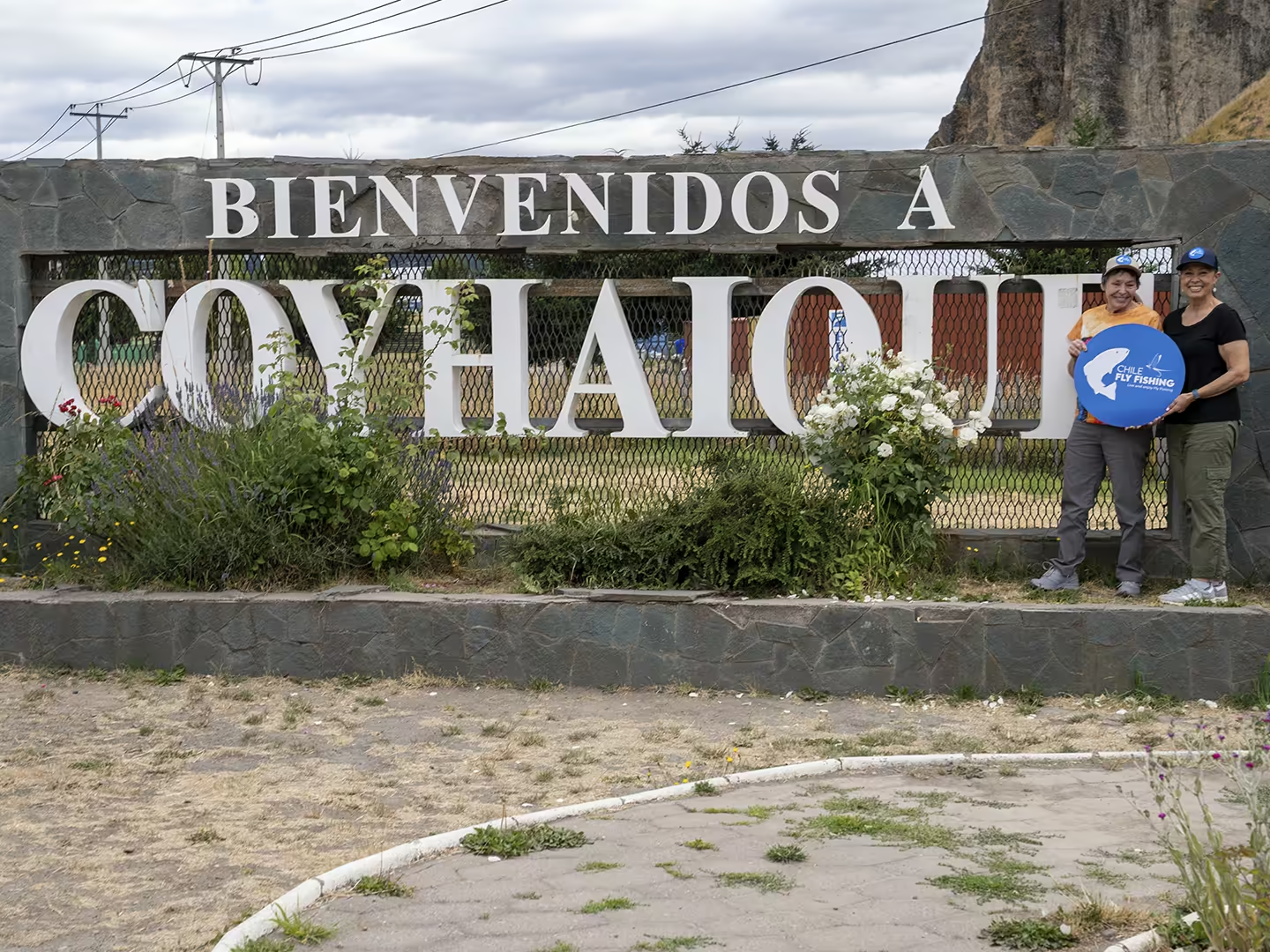
Travelling to Coyhaique in Chilean Patagonia

Getting there

Fly into Santiago (SCL), then connect to Balmaceda (BBA), the airport that serves Coyhaique. Around two and a half hours from Santiago, with several flights a day on LATAM and Sky.

We pick you up at Balmaceda and handle every transfer from there. Rod tubes travel as carry-on on LATAM in most fare classes, which is worth confirming when you book.

The full logistics guide, including what to do with a tight connection, is here.

Common questions

When is the best time to fly fish in Patagonia?

Our guided season runs from October 12 through April 30. Early season, from October into mid November, means high water and aggressive post-winter trout on streamers. January and February are the dry fly months, with terrestrial hatches and sight fishing on spring creeks. March and April bring the migratory brown trout, cooler afternoons and far less wind. There is no single best month — it depends on how you like to fish.

How much does a fly fishing trip to Patagonia cost?

Our All Inclusive Expedition is USD 6,500 per angler for seven nights and six full days of guided fishing, including lodging, all meals, ground transport, guiding, catarafts, flies and the Sernapesca licence. A single guided day is USD 650 per angler. Flights to Balmaceda, insurance, gratuities and personal gear are not included.

Should I fly fish in Chilean or Argentine Patagonia?

Both hold excellent trout. The practical difference is pressure and water type: Argentine Patagonia has the more famous rivers and, with that, more anglers on them. The Aysén Region on the Chilean side is harder to reach, which keeps its spring creeks and freestone rivers quieter. If you want well-known water and easy logistics, Argentina makes sense. If you want to fish a beat without seeing another boat, the Chilean side is the reason to make the trip.

What fish will I catch in Patagonia?

Wild brown and rainbow trout, none of them stocked. Browns run large and get technical, especially during the autumn pre-spawn migration. Rainbows are strongest early in the season when the water is high. Fish in the 18 to 24 inch range are normal; larger ones are the reason people come back.

How do I get to Chilean Patagonia for fly fishing?

Fly into Santiago (SCL), then take a domestic flight to Balmaceda (BBA), which serves Coyhaique. It is around two and a half hours from Santiago. We handle every transfer from the moment you land.

Do I need to be an experienced fly fisher?

No, but it helps. Our guides work with everyone from first-timers to anglers who have fished Patagonia for decades. What matters more than skill is being able to cast in wind — Patagonia is windy, and a decent short cast in a breeze will outfish a beautiful long one.

Two anglers per date. Season October 12 - April 30.

Check which weeks are still open, pick your program and hold your dates online. No account, no back and forth.

Check season availability